
Drake's streetwear brand, OVO, changed hands this summer, and it didn't sell as one thing. It sold as two. On August 27, Vince Holding Corp. announced it had bought OVO's operating business: the 12 stores in Canada, the US and the UK, the e-commerce site and the team in Toronto. Separately, Authentic Brands Group took a majority stake in OVO's intellectual property. Vince's investor deck puts the new IP company at 51% Authentic, 44% Drake and 5% Vince, with a long-term license back to Vince to make and sell the product.
That split is the whole story. Vince filed the purchase agreement with the SEC, and if you've ever wondered what a brand is worth without its stores, the answer is on page 20.
Takeaway #1: The brand and the business got two very different prices
FROM THE CONTRACT
"IP Buyer shall pay to IP Seller the sum of $117,647,058.82 (the "Asset Purchase Price")."
"Equity Buyer shall pay to the Equity Seller aggregate consideration in the amount of $3.00 (the "Equity Purchase Price")."
What it means for you. Three dollars is not a typo, and it isn't an insult. At closing, the seller had to put money into the operating company under a separate "Subscription Price" formula: $5 million, plus the company's funded debt and unpaid deal expenses, minus its cash, adjusted for working capital. That money came out of the IP price. So the stores arrived with a cleaned-up balance sheet, and the nominal price for the shares was three dollars. Vince's press release says it plainly: part of the IP proceeds went "to strengthen OVO's balance sheet."
And the $117.6 million wasn't simply a wire to the seller. The agreement says the IP buyer pays it by issuing 49 units of the new IP company and equity in Authentic, paying off convertible noteholders, debts and deal costs, funding the operating companies, wiring some cash to the seller and holding back $250,000 in escrow for adjustments. A headline number is a list of payments, not one check. The devil is in the details.
Your move. If you're selling a brand, ask your lawyer to map every dollar of the price: what's cash, what's stock, what pays off debt, what sits in escrow, and what comes back to you, if anything, through the stake you keep.
Takeaway #2: Drake's name is its own deal, and Drake personally backs this one
FROM THE CONTRACT
"'Omnibus Agreement' means the Contract ... governing (a) the granting to IP Buyer or its designee of licenses and/or other rights to use, exploit, display, reproduce, distribute or otherwise commercialize Drake's name, likeness, image, voice, signature, biographical information, persona or any other aspect of Drake's right of publicity or identity, and (b) the provision of endorsement services by Drake for and on behalf of the Business."
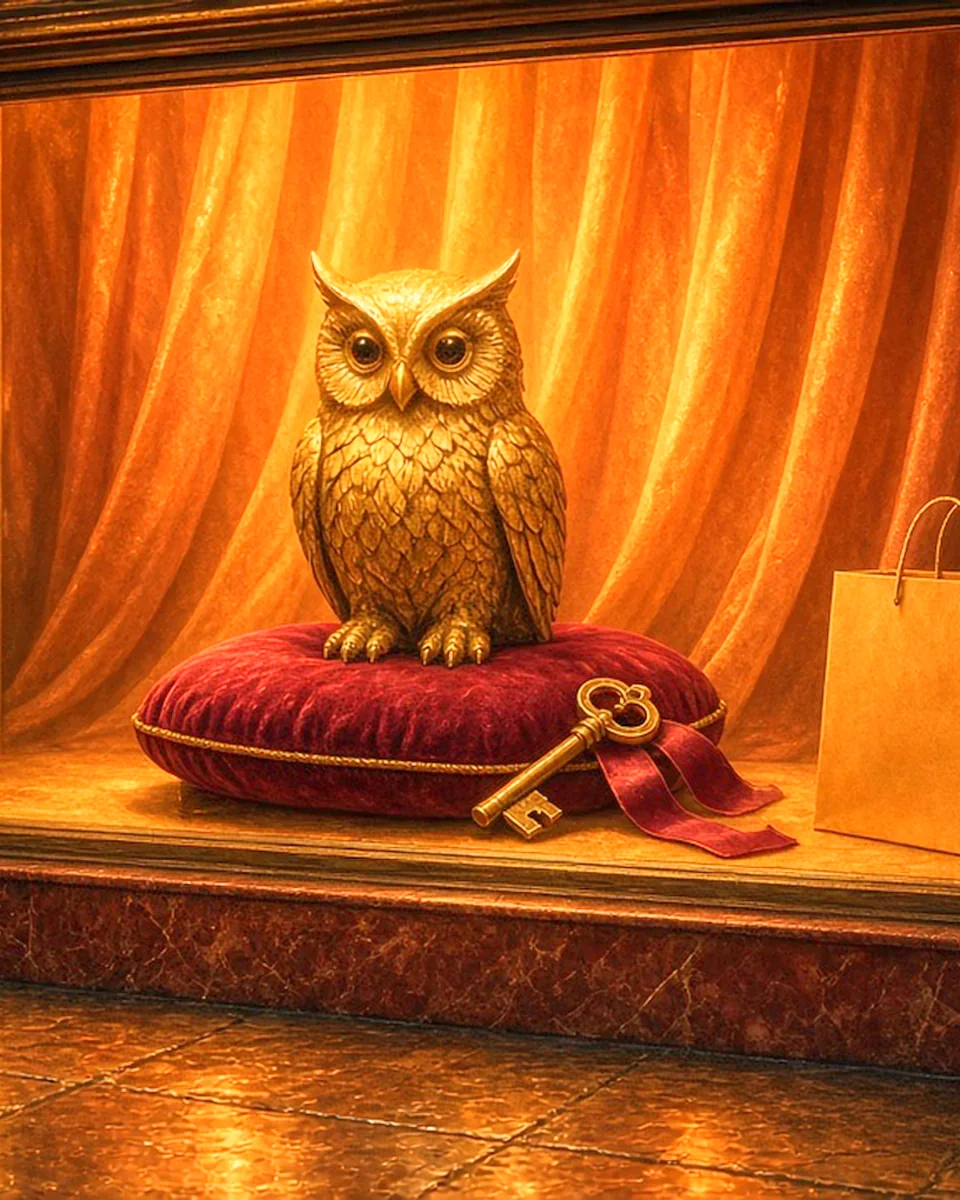
What it means for you. The trademarks, the owl and the designs are assets you can sell. A person's name, face and voice are different. They stay attached to the person, so buyers license them, usually in a separate contract with its own term, approvals and exit. Here that contract is the Omnibus Agreement. We haven't seen it; it isn't in the filing. But its definition tells you what the buyers wanted: the persona and the endorsement work, not just the logo. Authentic's release says Drake will "continue shaping its creative vision alongside Authentic."
There's one more line worth reading. Drake signed the agreement "solely for the purposes of Section 7.5," and Section 7.5 is a guarantee. He "absolutely, irrevocably and unconditionally guarantees" the sellers' obligations, and the buyers can enforce it "directly against him" without suing the sellers first. When a founder's entities sell, the buyer often wants the founder personally on the hook. Sign that page knowing what it means.
Your move. Keep your name, likeness and voice out of the asset sale, license them separately, and negotiate the guarantee like it's your own money, because it is.
Sample wording (our illustration): "Nothing in this Agreement assigns Founder's name, likeness, voice or persona. Any use is licensed solely under the Name and Likeness License, which ends on its own terms."
And always remember, don't sign it till you read it, my friends.
General information, not legal advice. Reading this doesn't create an attorney-client relationship. Talk to a lawyer before you sell a brand or sign a guarantee.
Sources
- Vince Holding Corp., Form 8-K, Exhibit 10.1, Asset and Equity Purchase Agreement dated Aug 24, 2026
- Vince Holding Corp., Form 8-K, Exhibit 99.2, Investor Presentation, Aug 2026
- Vince Holding Corp. press release, 'Vince Holding Corp. Acquires OVO to Create Multi-Brand Platform', Aug 27, 2026
- Authentic Brands Group press release, 'Authentic Partners with Drake to Scale OVO Globally', Aug 2026